
Culturally rich Yogyakarta and Solo continue to captivate travelers with their deep-rooted heritage, historic landmarks, vibrant culinary scenes, and striking natural landscapes. Yogyakarta remains Indonesia’s top destination for domestic travelers, while Solo—officially known as Surakarta—is steadily rising in popularity among both local and international visitors. For many, the timeless allure of Borobudur Temple and Prambanan Temple, along with the region’s royal palaces, is reason enough to visit. If you’re planning a trip to Yogyakarta and Solo or already exploring one of these cultural hubs, it’s well worth venturing beyond the cities. The surrounding areas are home to off-the-beaten-path natural wonders and hidden gems, often known only to locals, yet just as captivating as the main attractions.
A brief history of Yogyakarta and Solo (Surakarta)
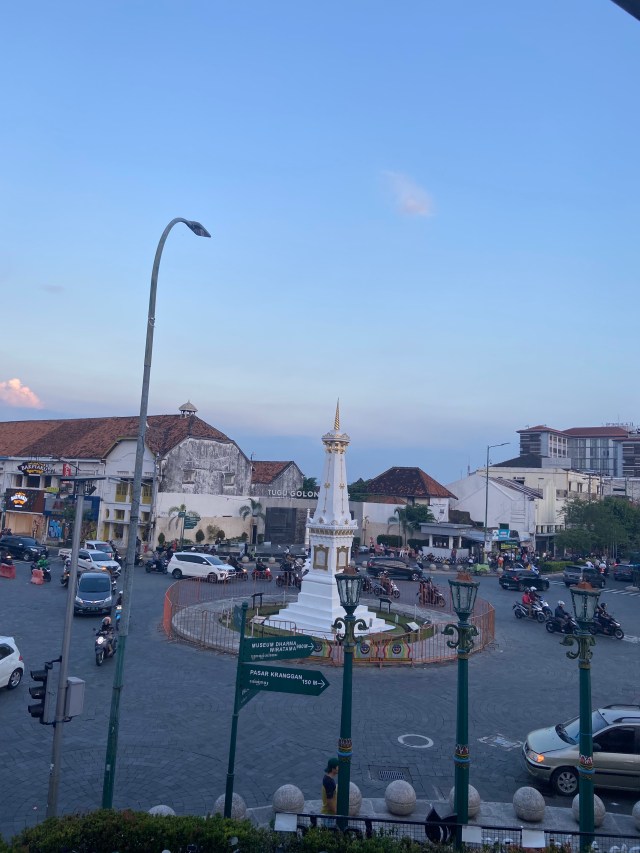
Yogyakarta or often shorten as Yogya or Jogja is unlike other cities in Indonesia. It has a status as a special region, the last standing monarchy in Indonesia, meaning the province is led by a Sultan that is also taking the role of the governor, and the succession is hereditical.
Rich in history ranging from Buddist & Hindu eras, the Islamic Mataram kingdom era, through the war of Independence (during which Jogja was Indonesia’s capital for a few years), Jogja emerged as one of Indonesia’s education centers and also the main tourist hub in Java. Foreign tourists flock to Jogja to see Indonesia’s most important archeological sites (Borobudur Temple, Prambanan Temple, and Kraton or The Royal Palace), learn Javanese art & culture, and admire a beautiful blend of Javanese and Dutch architecture. Meanwhile, local tourists come to Jogja to experience a slow-paced lifestyle and enjoy the relaxing vibes offered by Yogyakarta.
Solo known officially as Surakarta is a city in Central Java province, Indonesia located 65 km northeast of Yogyakarta. It’s known for its Keraton Mangkunegaran (The Royal Palace), home of Batik, Pasar Gede traditional market, and hometown of Joko Widodo (Jokowi), one of Indonesia former presidents.
Both cities used to be part of the Mataram Sultanate from the late 16th century until the beginning of the 18th century. In 1745, during the Dutch occupation era, Surakarta was chosen to be the new capital of the Mataram Sultanate which was on the verge of becoming a vassal state of the Dutch East India Company (VOC).
Following the Giyanti treaty in 1755, the Mataram Sultanate was divided into the Surakarta Sunanate (northern court) and the Yogyakarta Sultanate (southern court) . The treaty divided Mataram in two: Surakarta and the land east of the Opak River belonged to Pakubuwono III, and Yogyakarta to the west of the river fell under the control of Mangkubumi who then took the title Hamengkubuwono I. Apart from the split of Mataram, the treaty also allowed the VOC to determine the ruler of the two new kingdoms whenever necessary – officially bringing Mataram’s independence to an end.
Since the Giyanti treaty, Keraton Kasunanan Surakarta Hadiningrat became Solo/ Surakarta Royal Palace, until 1757 when Raden Mas Said (Sambernyowo Prince), nephew of Surakarta King, Pakubuwono III, led a rebellion. Salatiga treaty then ended the rebellion and he was acknowledged as a prince, given an autonomous territory, and resided in Pura Mangkunegaran, hence Solo has two Royal Palace to this day.
After Independence Day in 1945, Surakarta was given special status by Indonesia’s first president, Soekarno, as a Special Region of Surakarta, with the Susuhunan, Pakubuwono XII, continuing as governor. Sadly the special status was abolished in 1946 due to intense, organized resistance to the continuation of the monarchy. This event is commemorated as the birthday of the city of Surakarta. To this day, the Keraton Surakarta Hadiningrat and Pura Mangkunegaran serve as royal residents and a cultural heritage that draws travelers to visit and learn the history.
Around the same time, Yogyakarta was granted Special Region (Daerah Istimewa) status largely due to its crucial historical role in supporting Indonesia’s independence, its long-standing monarchy established in 1755 (the Sultanate of Yogyakarta and the Pakualaman Duchy), and its unique privileges in governance, culture, and leadership appointment.
Hamengkubuwono IX and Paku Alam VIII officially declared their support for and integration into the Republic of Indonesia on 5 September 1945. During critical moments when the young republic was under threat, Yogyakarta played a vital role by offering full support and even serving as the nation’s capital. Sultan Hamengkubuwono IX, in particular, ensured the continuity of the government during this turbulent period.
Today, the Governor of the Special Region of Yogyakarta is held by the reigning Sultan, while the Vice Governor is held by the reigning Paku Alam, both appointed without a direct regional election (pilkada), reflecting the region’s distinctive administrative and cultural status.
7 hidden gems in & around Yogyakarta and Solo
- Telaga Sarangan
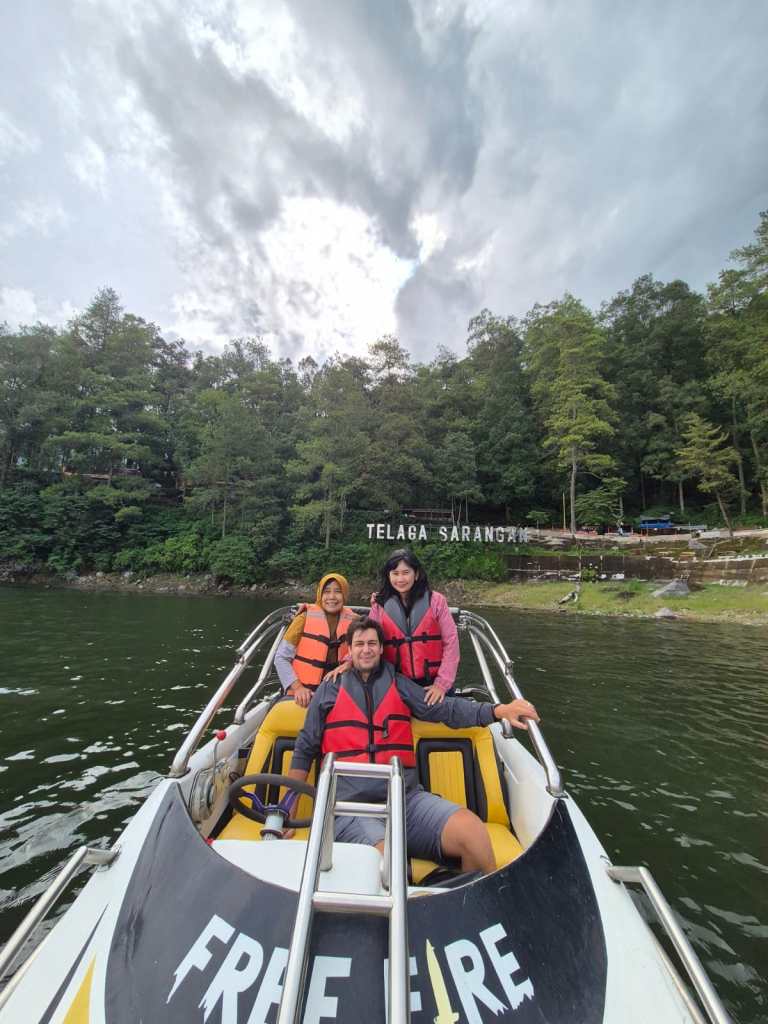
The first hidden gem I recommend is Telaga Sarangan, located about 1,5 hours southeast of Solo. This serene natural lake sits on the slopes of Mount Lawu at an altitude of around 1,200 meters, making it a refreshing highland escape roughly midway between Solo and Madiun.
Beloved by locals, Telaga Sarangan is a go-to destination to breathe in cool mountain air, unwind from the tropical heat, and take in the scenic surroundings. Yet despite its charm, it remains relatively under the radar for international travelers.
There are plenty of simple pleasures to enjoy here: take a speedboat ride across the lake, go horse riding along its edges, stroll around the lakeside and nearby town, or try the local specialty rabbit satay. An entrance fee of IDR 20,000 (around $1,2) is required to access the area.
Although Telaga Sarangan lies near the border of Central and East Java, it is technically part of East Java. On the way there, you’ll pass Cemoro Sewu, one of the main trailheads for hikers aiming to summit Mount Lawu. The journey itself is equally rewarding, with breathtaking mountain views along the route.
2. Taking a dip in Klaten’s natural springs (umbul)
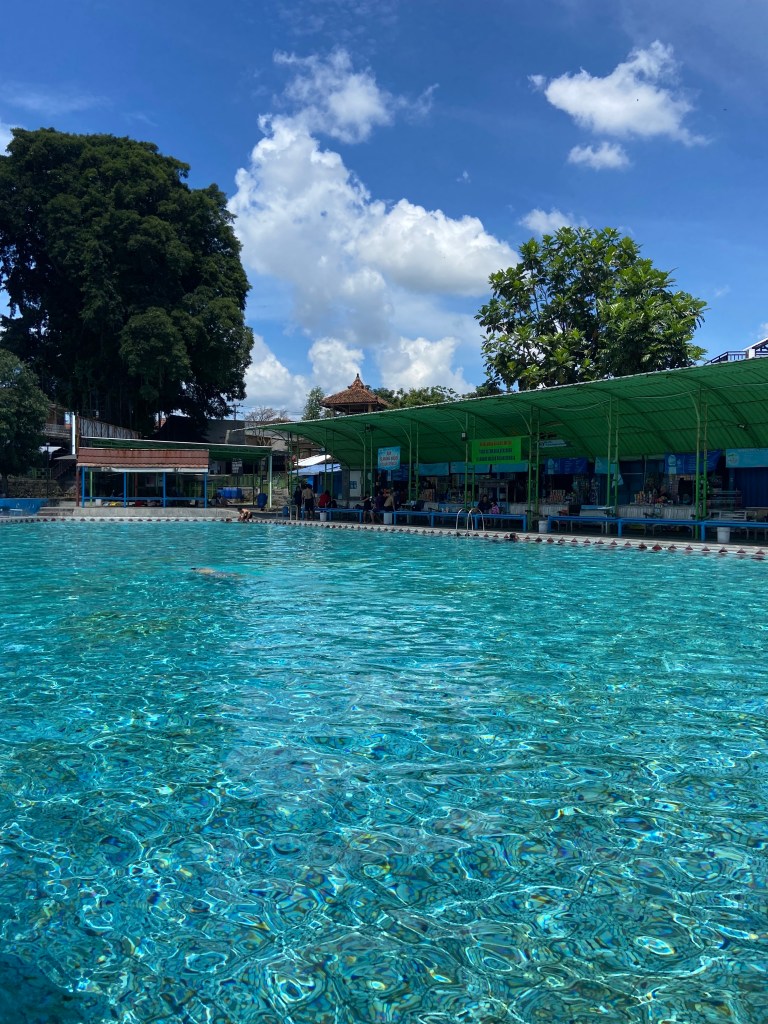
Located around 32 kilometers northeast of Yogyakarta and roughly 34 kilometers southwest of Solo, Klaten Regency is best known for its abundance of natural cold springs. This is largely due to its unique geological position between Mount Merapi and Mount Merbabu. These volcanoes act as vast natural water catchment systems, channeling and filtering water through layers of volcanic rock before it resurfaces in Klaten. The result is incredibly clear and refreshing springs, such as Umbul Ponggok and Umbul Pelem. In total, there are over 190 natural cold springs in Klaten.
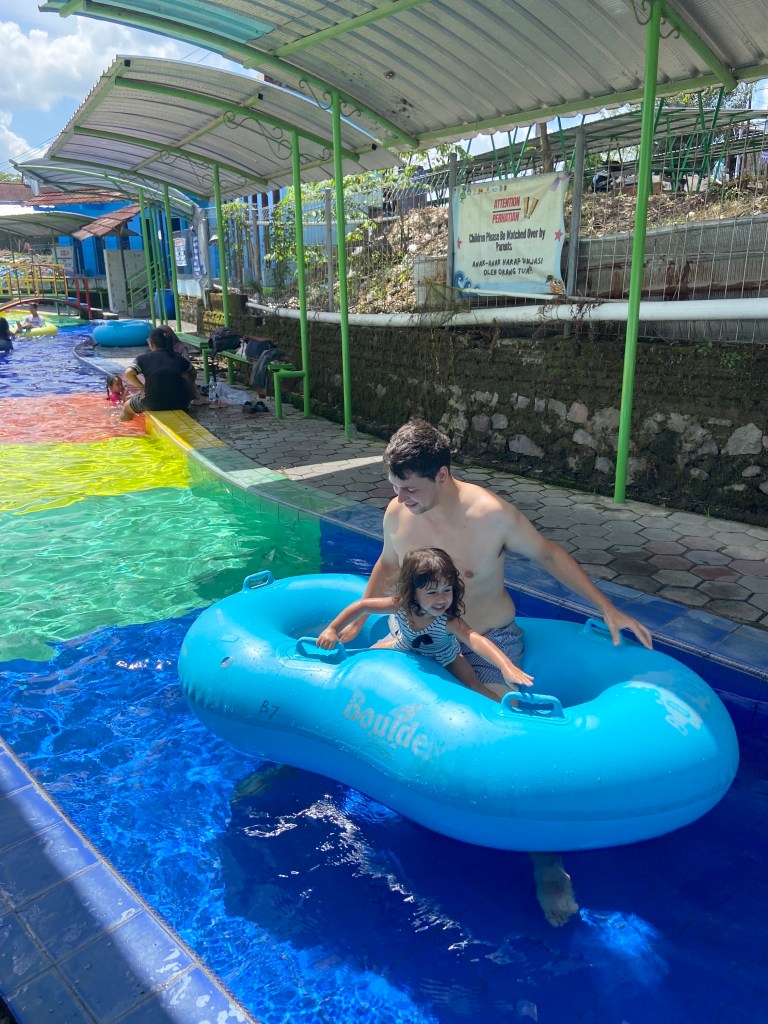
During a recent trip to the area, I had the chance to visit several of these natural springs, locally known as umbul. Taking a dip in the cool, crystal-clear water was incredibly refreshing, especially under the region’s tropical heat. One of the springs we visited was Umbul Pelem, which is particularly well-known among Indonesians not only for its pristine water but also for its community-based management, where profits are shared among local villagers.
At first glance, Umbul Pelem may resemble a typical swimming pool or waterpark, with its modern and well-maintained facilities. However, the experience quickly sets it apart. The water feels exceptionally clean, fresh, and naturally cool, a testament to its direct source from the surrounding mountains.
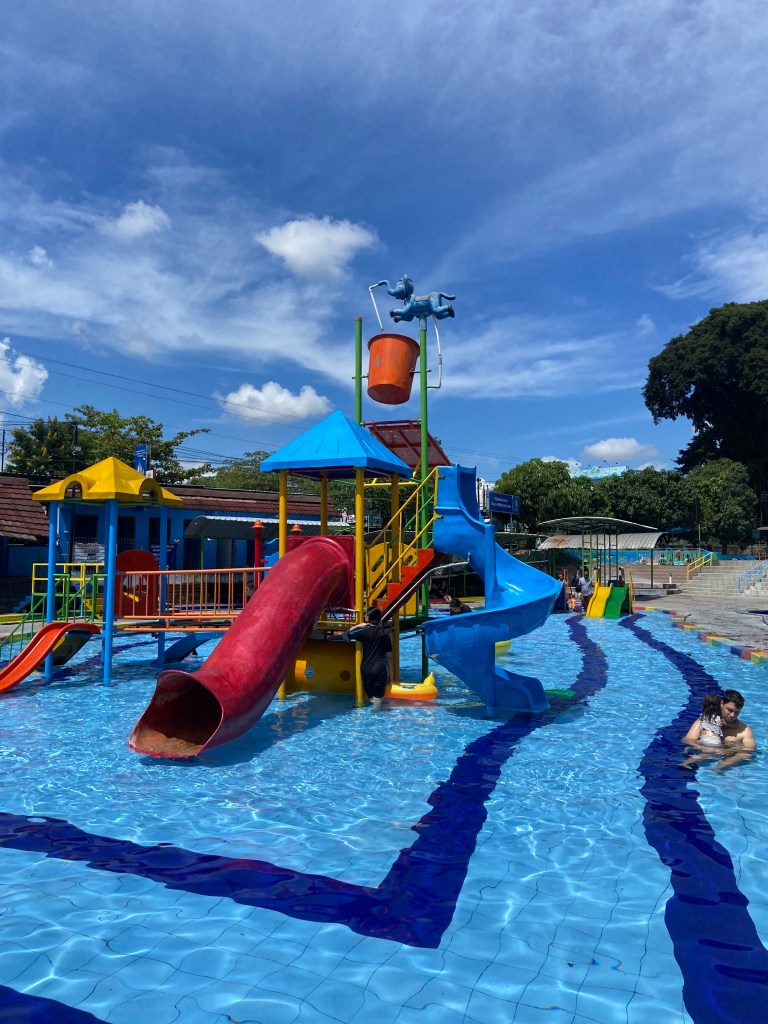
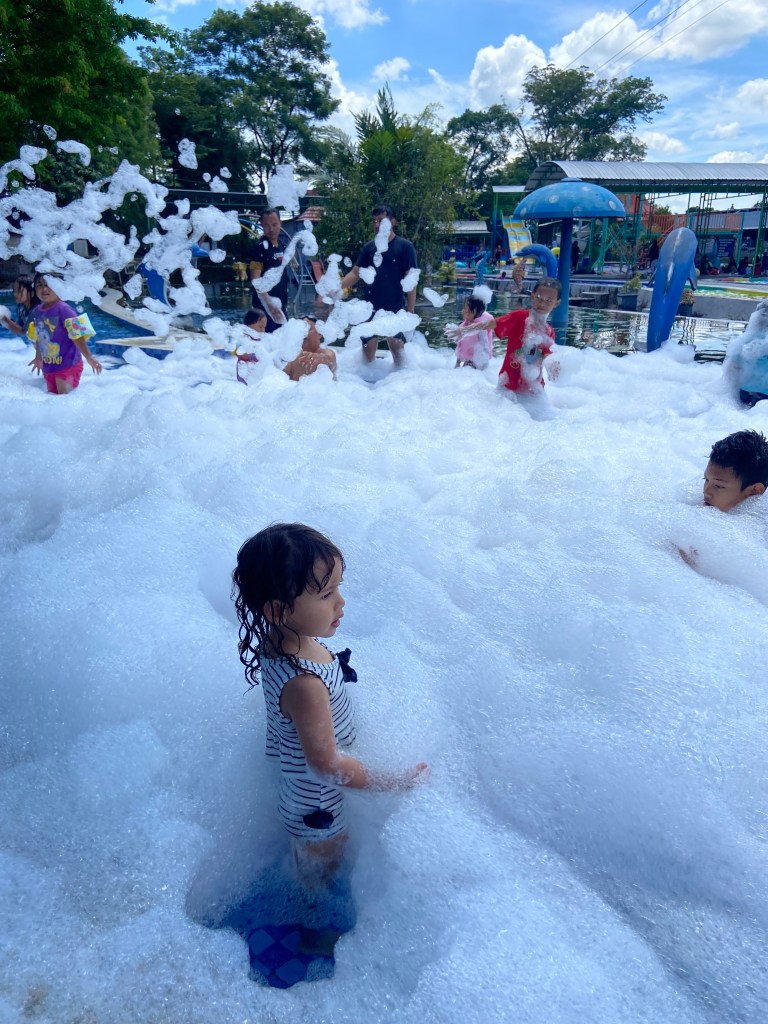
It’s a great spot for a family outing, as Umbul Pelem offers something for everyone. Kids can enjoy a dedicated waterpark and even a fun foam party area, while adults can unwind with a more peaceful swim in the larger, deeper pool. The entrance fee is Rp.10.000 (around 50 cents).
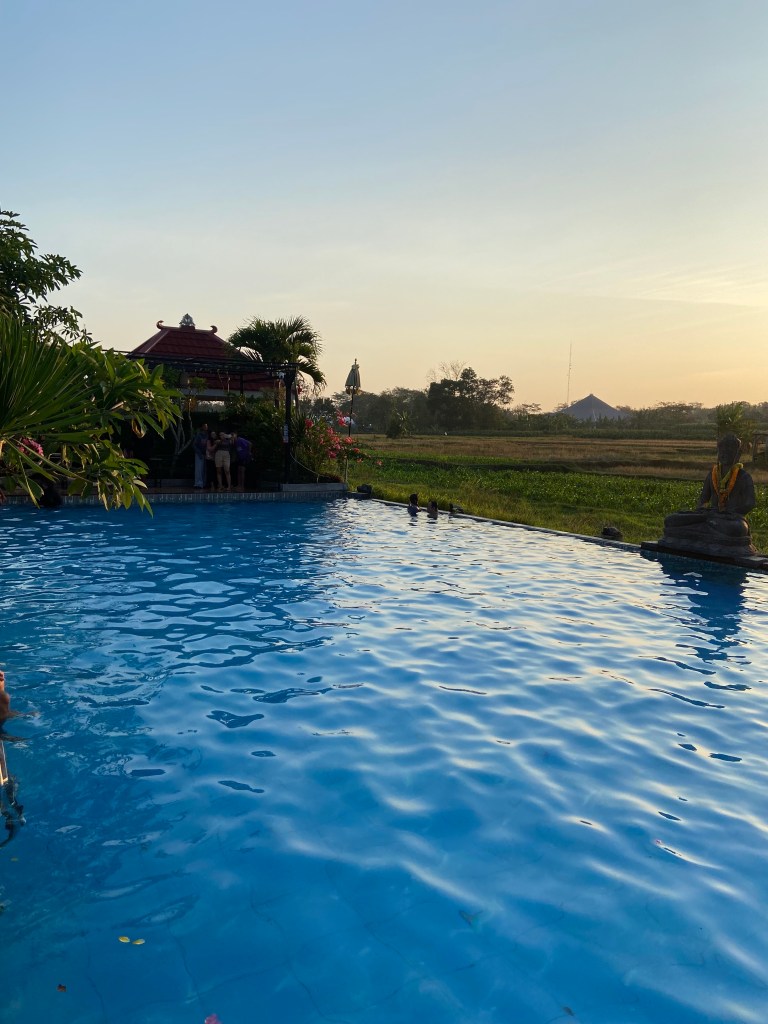
On another occasion, we visited Candramaya Pool & Resort not for an overnight stay, but to enjoy a swim in its scenic infinity pool. Located in Tulung, not far from Umbul Pelem, this spot has become one of Klaten’s most talked-about destinations thanks to its laid-back “Bali vibes” atmosphere.
Candramaya offers a relaxing resort experience with an infinity pool overlooking lush rice fields, framed by views of Mount Merapi and Mount Merbabu. Much like the nearby umbul, the pools here are filled with natural spring water, refreshed daily and free from chlorine or other chemicals, making the swimming experience feel especially clean and refreshing.
The property also caters well to families, with a dedicated kids’ pool, an on-site restaurant, and a range of accommodations for those who wish to stay overnight, including a private villa with their own pool. The entrance fee is Rp. 10.000 – 15.000 (around 50 – 88 cents).
Another umbul worth to visit while you’re exploring the city of springs is Umbul Ponggok, famous for its crystal-clear water and unique underwater photography opportunities. Unlike typical swimming pools, it features a natural sandy and rocky floor inhabited by hundreds of colorful fish, allowing visitors to experience “snorkeling in a pool”. Since Umbul Ponggok is world-renowned for its creative underwater sets, while swimming here, don’t miss the opportunity to take photos with props like motorbikes, televisions, benches, or even laptops at the bottom of the pool. The entrance fee is Rp. 10.000 – 15.000 (around 50 – 88 cents).
3. Candi Cetho
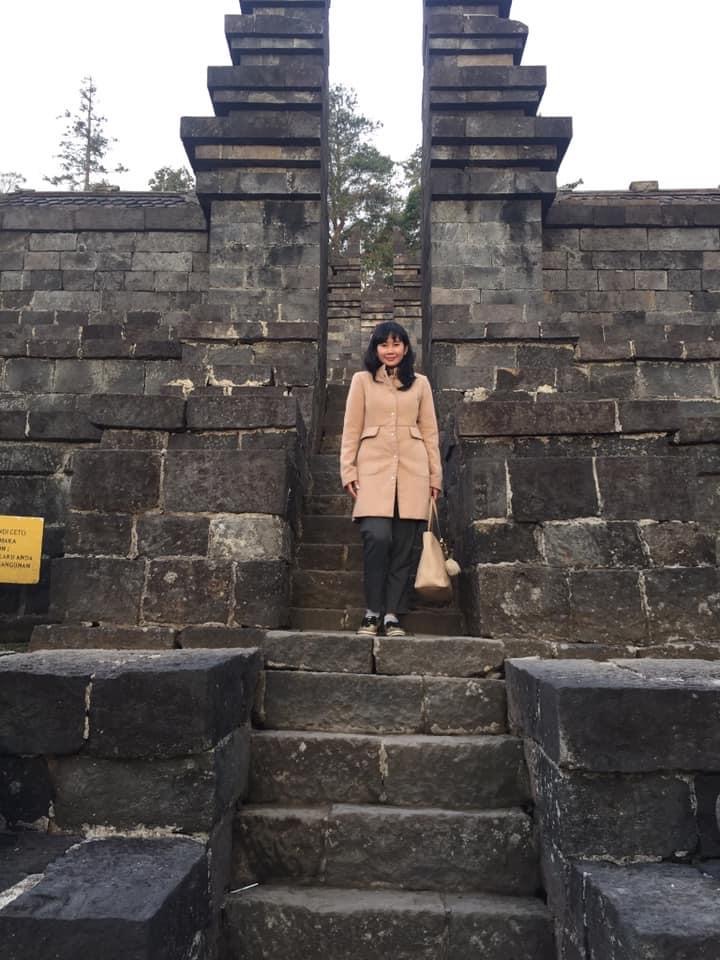
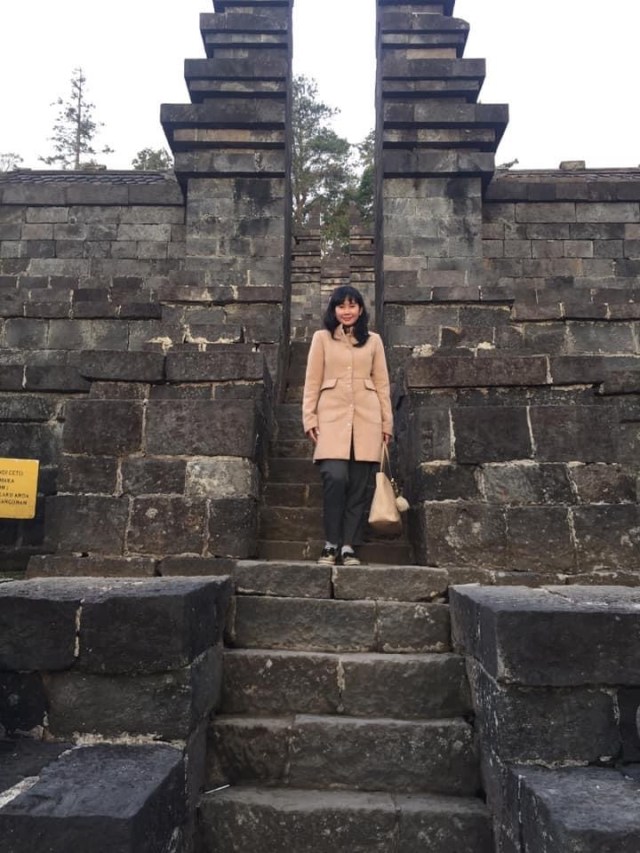
If you’re interested in history, beyond the iconic Borobudur and Prambanan temple, there are several lesser-known temples scattered across Yogyakarta and Solo. One of the most fascinating is Candi Cetho, located in Karanganyar, about 1.5 hours from Solo. Dating back to the 15th century during the late Majapahit era, Candi Cetho is a Hindu temple perched on the slopes of Mount Lawu at an altitude of around 1,496 meters. It is known for its distinctive terraced (punden berundak) layout, reminiscent of Balinese temple architecture, and remains an active site for spiritual pilgrimage.
Originally consisting of 14 terraces, the temple now has nine levels following restoration. These terraces form a dramatic, steep ascent, marked by towering gates and intricate stone carvings, including figures such as turtles and Garuda. Due to its high elevation, the temple is often enveloped in mist, creating an almost otherworldly atmosphere, earning it the nickname “Candi di Atas Awan” (Temple Above the Clouds).
Visiting Candi Cetho offers a chance to experience one of the highest temples in Indonesia, both in altitude and in atmosphere. The entrance fee is Rp. 30.000 (approximately $1,75).
Several other fascinating attractions located nearby, hence you should consider to visit them all in a one-day trip from Solo. Candi Kethek, located 300 meters from Candi Cetho is a unique Hindu temple on the slopes of Mount Lawu, at an altitude of approximately 1.500 meters above sea level. It is notably one of the highest temples in Java and is famous for its unconventional stepped pyramid shape, which differs from the typical towering structures of Central Javanese Hindu temples. It called Kethek, means monkey in Javanese since monkeys are frequently found roaming around the temple area. Entrance fee is Rp.7.000 (around 41 cents).
Candi Sukuh is a 15th-century Hindu temple often referred to as the “Mayan Temple of Indonesia” due to its striking resemblance to Mesoamerican stepped pyramids. Perched on the western slopes of Mount Lawu in Karanganyar, this temple stands out for its unconventional architecture and boldly explicit stone carvings, quite distinct from typical Javanese temple styles. The site contains numerous reliefs and statues depicting sexual education, fertility, and life before birth. This includes depictions of lingga (phallus) and yoni (vulva) representing the union of Shiva and Parvati as a symbol of life’s origin. The entrance is is Rp. 30.000 ($1,75).
The best time to visit these temples is in the morning, when the skies are still clear and the views unobstructed before the afternoon fog begins to roll in. You can easily combine your visit with a stop at Kemuning Tea Plantation, a vast tea plantation on the slopes of Mount Lawu. With its panoramic green landscapes and cool mountain air, it’s a refreshing complement to the nearby historical sites, and a popular stop for travelers exploring the area.
4. Masjid Sheikh Zayed
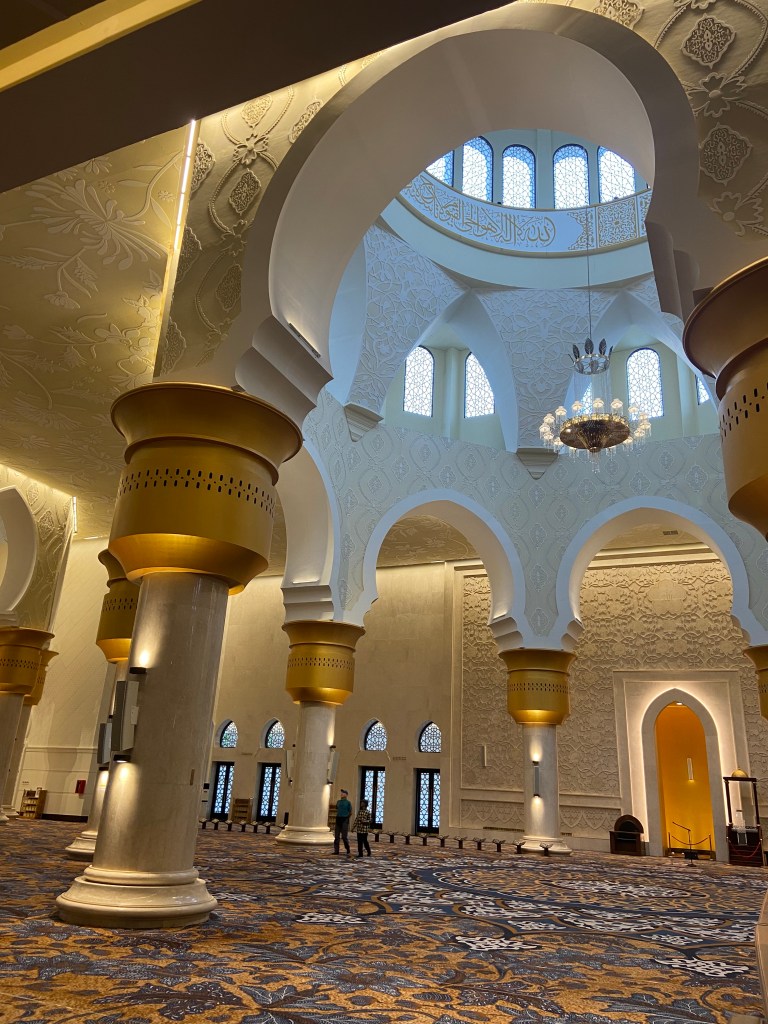
The grandeur of the white tall structure can be seen from afar in Solo City. It’s the Sheikh Zayed Mosque, a replica of the Sheikh Zayed Grand Mosque in Abu Dhabi, UAE, that was built by the Indonesian government as a friendship token with Uni Emirates Arab. The 8.000 m2 width mosque has 2 floors, 4 towers, a main dome, and 82 smaller domes. Although it’s a replica of the biggest mosque in UAE, Sheikh Zayed Mosque was also built using Indonesian elements such as batik motif tiles.
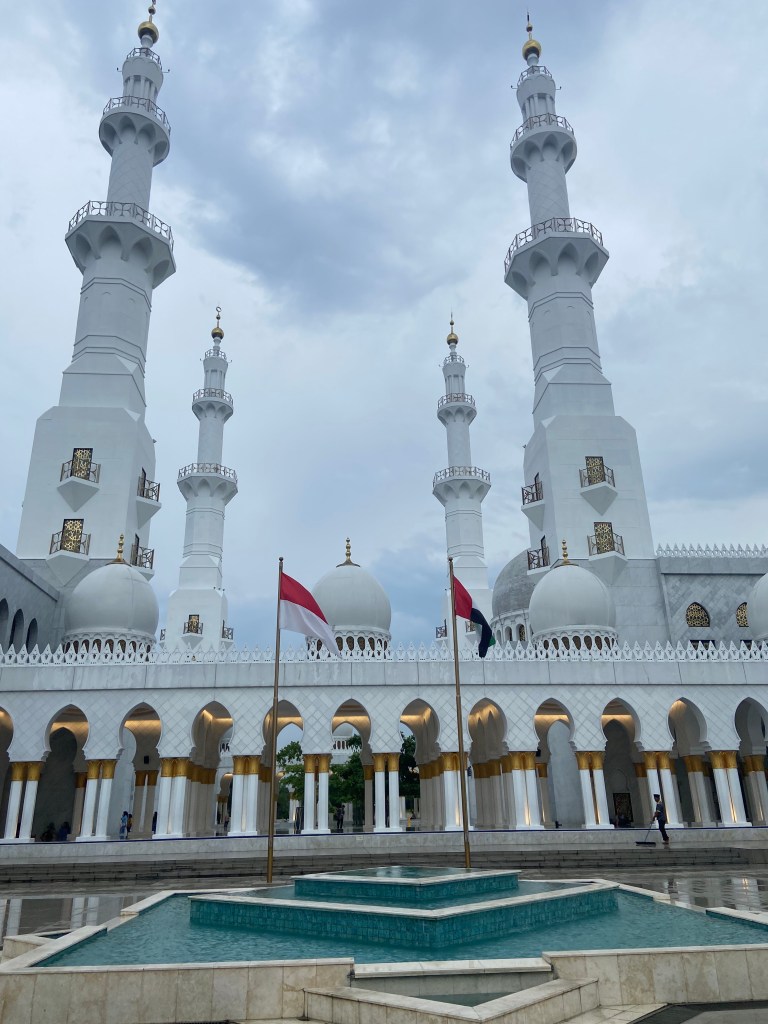
It’s free to enter but you have to wear long pants for men and a head scarf for women to cover their hair. If you don’t bring it, you can rent it around the mosque. I find this mosque is spectacular. A must-visit in Solo!
5. Staycation in the iconic Java hotel
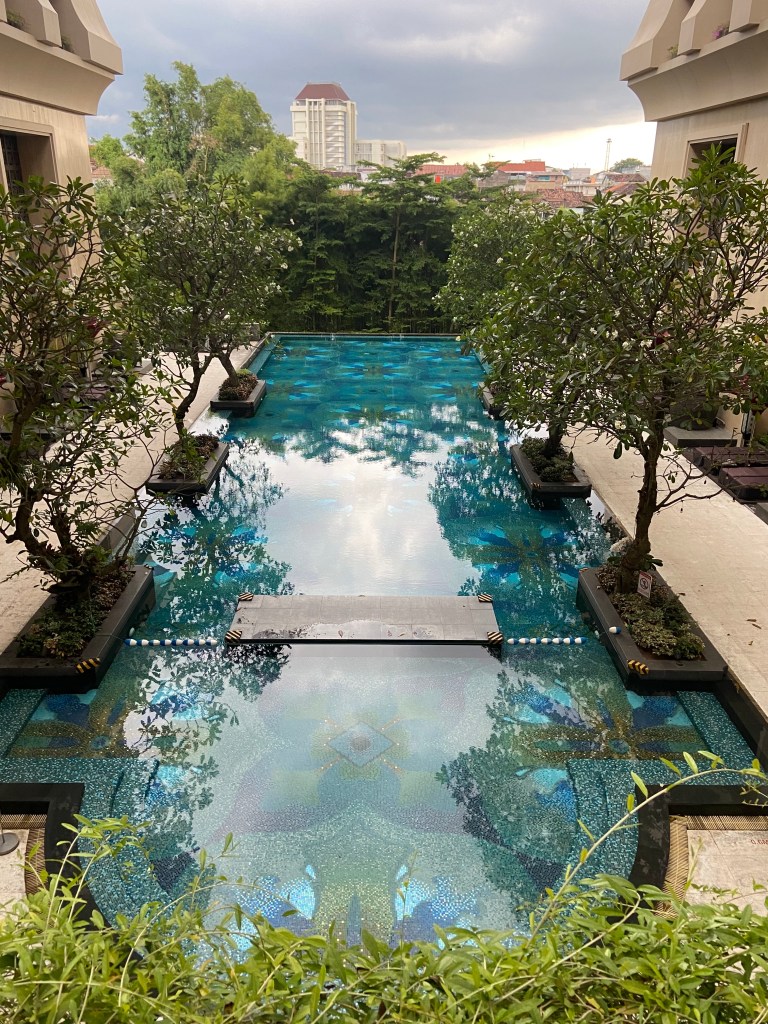
Yogyakarta offers a wide range of accommodation options, from private villas and boutique guesthouses to luxury hotels. As the cultural heart of Java, we wanted to stay somewhere that truly reflects its heritage. On this trip, we chose Hotel Tentrem Yogyakarta, a five-star property that beautifully blends modern comfort with Javanese elegance. I was drawn to its name, Tentrem, which means peace and tranquility in Javanese. True to its name, the hotel exudes a calm and serene ambiance, especially around the pool area, offering a peaceful retreat despite being located in the heart of the bustling city.
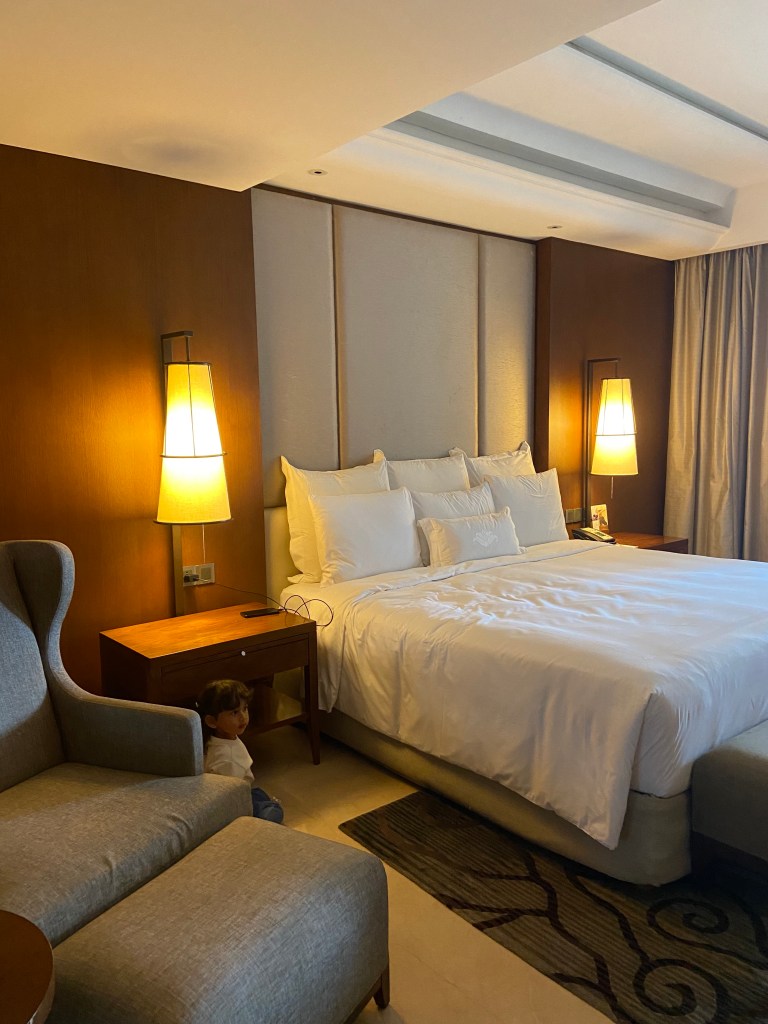
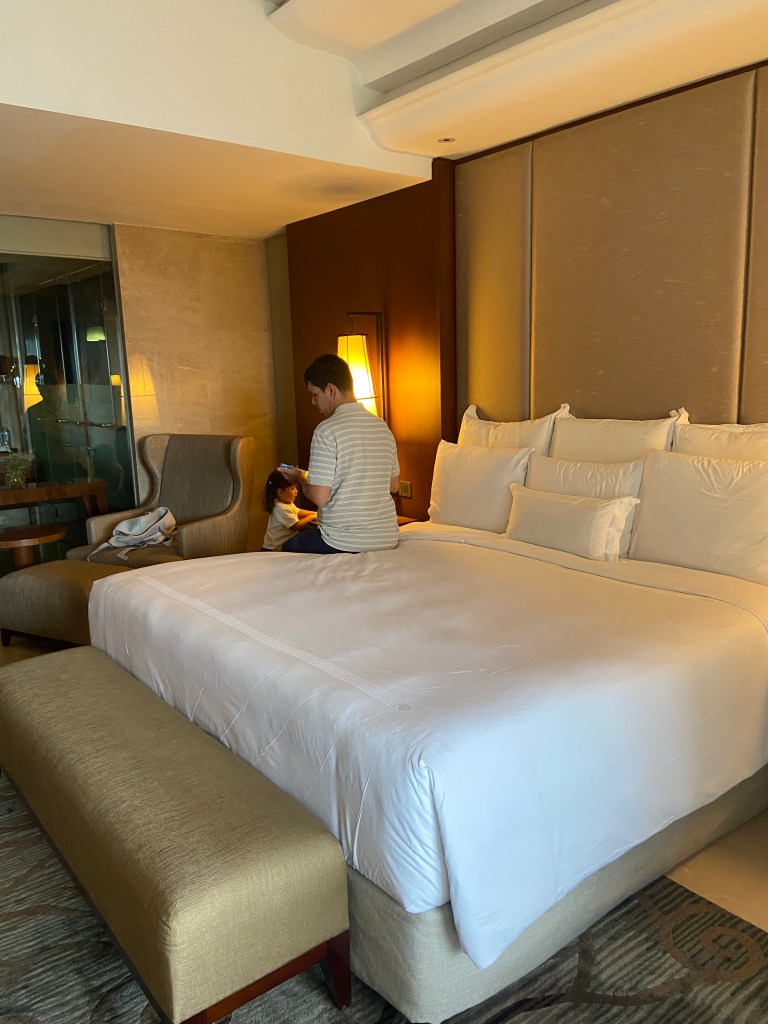
We stayed in the Deluxe King Room, a spacious 40 m² space that felt both modern and refined. My husband was particularly impressed by how comfortable and thoughtfully designed the room was. Beyond the room, one of the highlights of our stay was the buffet breakfast, which features a wide selection of iconic Javanese dishes such as gudeg (both Solo and Yogyakarta styles), nasi liwet Solo (a rice dish cooked in coconut milk, chicken broth, and spices) as well as beloved street food like es dawet and jajanan pasar.
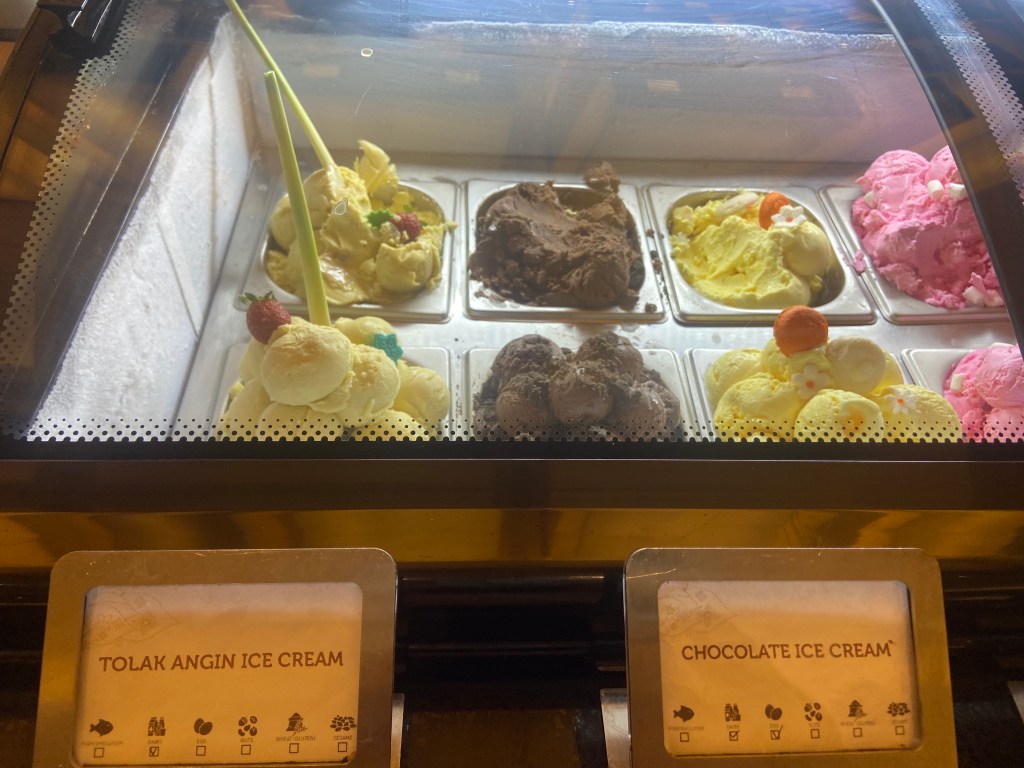
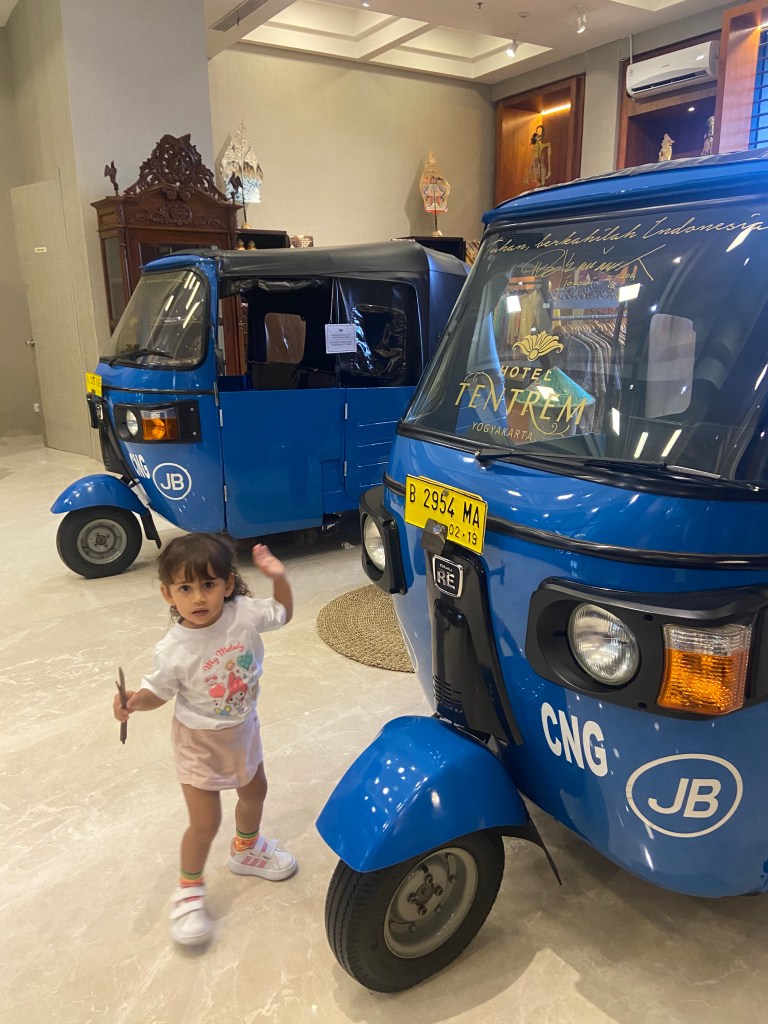
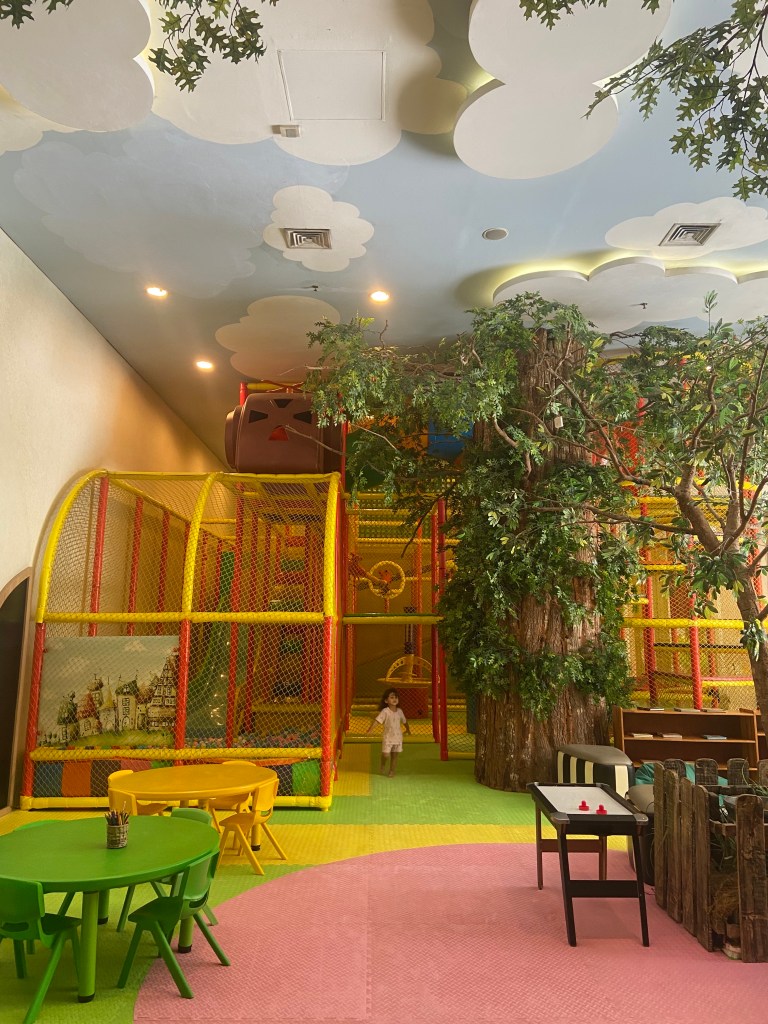
One truly unique touch is their Tolak Angin ice cream. It tastes remarkably similar to Tolak Angin, the well-known herbal remedy Indonesians often use for relieving masuk angin (cold-like symptoms). If you’re curious about this unusual flavor, you’ll have to experience it here because it’s not something you’ll find anywhere else. Interestingly, the hotel is owned by the same company behind Tolak Angin, which makes this quirky offering even more special. Other facilities at Hotel Tentrem Yogyakarta also make us want to return on our next visit. The gym is notably larger than most hotel gyms we’ve experienced, offering a more complete workout space. Meanwhile, the kids’ playground is thoughtfully designed with a variety of games, making it easy to keep our child entertained for hours.
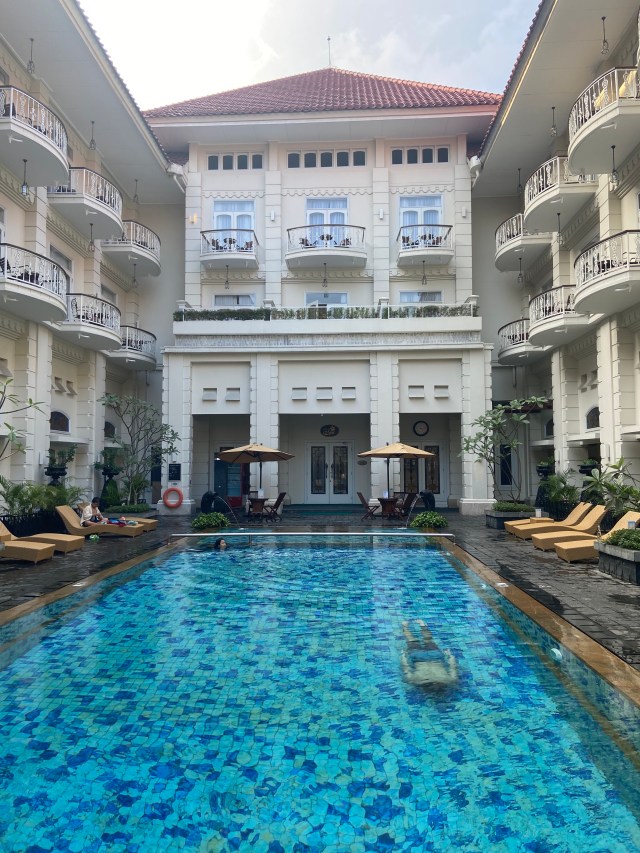
Another Jogjakarta hotel I recommend you to stay is The Phoenix Hotel Yogyakarta. The 5-stars hotel in the heart of Jogja has beautiful architecture resembling Kraton (The Royal Palace) and a touch of European style. More than just a place to stay, the hotel represents Javanese heritage and carries a meaningful slice of Indonesia’s history. When Yogyakarta became Indonesia’s capital, Soekarno, the first President of the Republic of Indonesia, had ever worked in The Phoenix Hotel Yogjakarta. His office still exists today and hotel guests are also allowed to visit the historic room. I can feel Indo-Dutch nuances almost in every corner of The Phoenix Hotel Yogyakarta. Not only in the living room/ lounge, and courtyard but also in each room since it’s decorated with a classic European style.
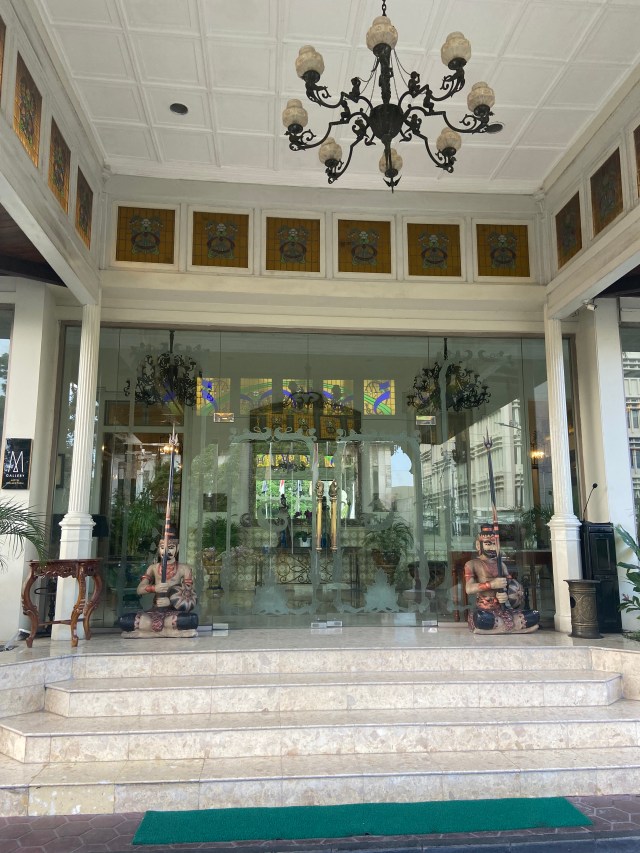
The Phoenix Hotel Yogyakarta used to be a manor owned by a Chinese merchant named Kwik Djoen Eng. Then the house was sold to another businessman and converted into a hotel to this day.
6. Visiting Yogyakarta’s iconic book stores
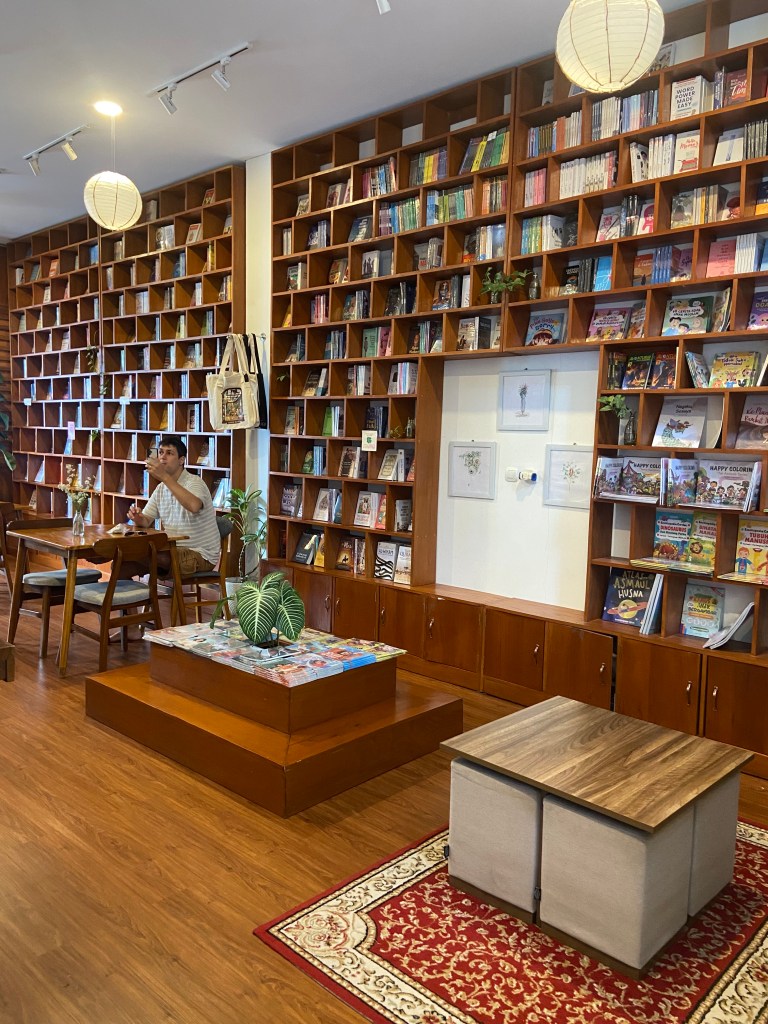
As one of Indonesia’s key educational hubs, Yogyakarta is home to a wide range of bookstores scattered across the city, offering everything from academic texts to fiction and non-fiction titles. As an avid reader, I felt compelled to make the most of my time here by exploring some of its more iconic independent bookstores, beyond the usual chain stores found in shopping malls.
The first bookstore I visited on my recent trip was Solusi Buku. This two-story space has a warm and inviting atmosphere, blending a bookstore with a comfortable reading area, along with a small coffee corner. The selection is impressively diverse, featuring popular titles in both Bahasa Indonesia and English, as well as a curated range of lesser-known, non-mainstream books. What stood out most to me was a dedicated section showcasing works by prominent Indonesian authors such as Pramoedya Ananta Toer and Eka Kurniawan, both of whom I thoroughly enjoy reading.
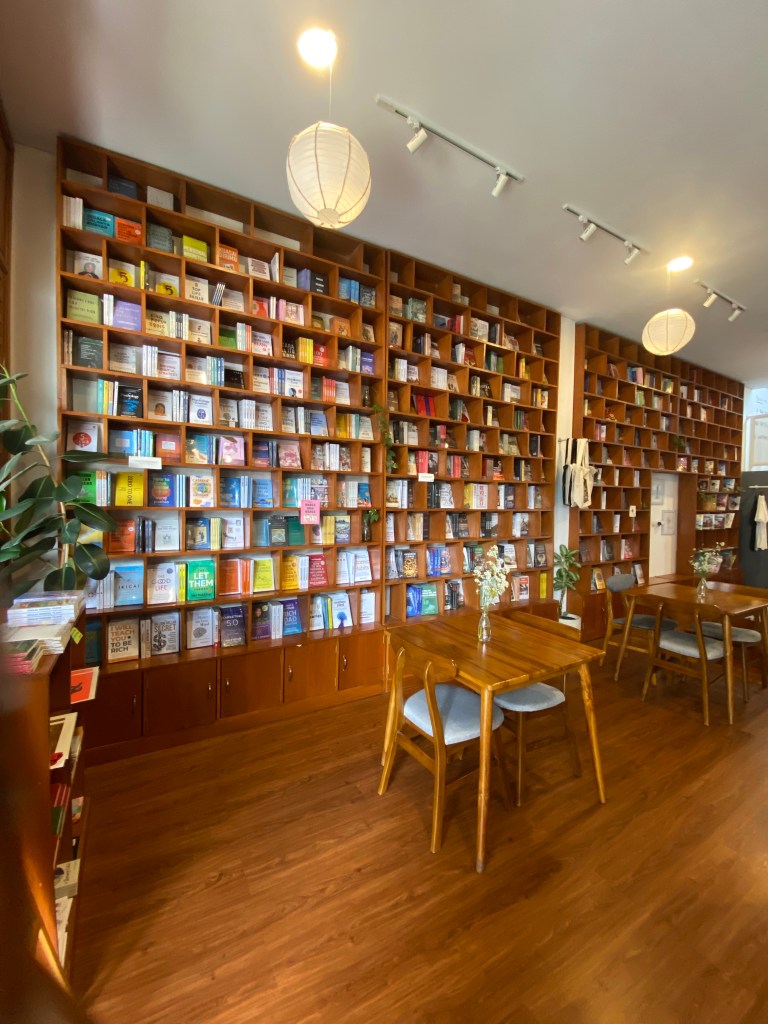
Another independent book store worth checking out is Buku Akik. Located on Jalan Kaliurang in Ngaglik, Sleman, it’s often compared to the iconic Shakespeare and Company. Both share a charming vintage ambiance and a thoughtfully curated selection of books, ranging from popular titles to more obscure, non-mainstream reads. So the comparison isn’t entirely unfounded.
Buku Akik began as an online bookstore before its owner, Tomi Wibisono, decided to open a physical space on the first floor of his home. Thanks in large part to social media, its popularity has grown steadily, and it’s now considered one of the must-visit bookstores in Yogyakarta.
7. Tasting Solo & Yogyakarta specialty food
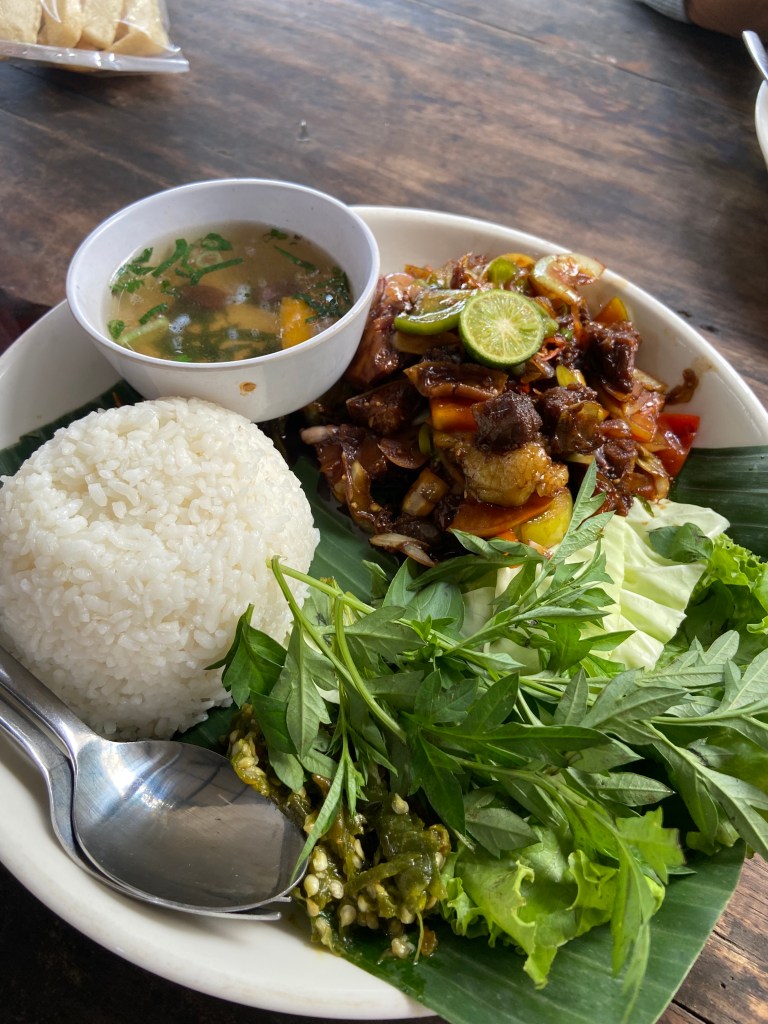
The food in Yogyakarta and Solo is often described as comforting, layered, and distinctly sweet-savory, reflecting the refined character of Javanese cuisine. In Yogyakarta, flavors tend to lean noticeably sweeter. Overall, food from both cities is not spicy-heavy compared to other cities in Indonesia. I have made a post about signature dishes in Solo (Surakarta) that you can read here, but here are some other great food I tasted on my recent trip:
- Iga Gongso: means stir-fried beef ribs. It’s one of the signature dishes at Aroma Rasa and a must-try if you’re exploring Solo’s culinary scene. It’s usually served hot on a sizzling plate, often with rice and sometimes accompanied by vegetables or crackers. The taste is sweet, savory, and mildly spicy, with a smoky, wok-fried aroma.
- Soto Triwindu: a popular warung in Solo serves soto, a typical Indonesian soup made with a clear, aromatic beef broth, typically filled with slices of beef, vermicelli noodles (soun), bean sprouts, and cabbage. What sets Soto Triwindu apart is its clean, delicate taste savory with subtle sweetness, enhanced by spices like garlic, shallots, and a hint of pepper. It called Triwindu because the warung used to be inside Pasar (market) Triwindu.
- Sekutu Kopi: One of specialty coffee shops in Solo. They have great coffee, a pretty comfy place to sit, talk and work and a selection of books to read. It’s located very close to Soto Triwindu.
- Gudeg Sagan: Gudeg is a traditional Indonesian dish from Yogyakarta made from young, unripe jackfruit stewed for several hours (sometimes days) with plam sugar, coconut milk, garlic, shallots, galangal, bay leaves, and teak leaves resulting in a sweet, savory, and reddish-brown dish. Often served with rice, chicken, eggs, and spicy krecek stew, it is a hallmark of Javanese cuisine. I’ve tasted many gudeg place in Yogyakarta but Gudeg Sagan is my favorite. Their gudeg is gudeg basah (wet gudeg) means it’s cooked only through the boiling process, so it still contains a lot of liquid and is served with coconut milk. Gudeg Sagan also tastes less sweet compared to other gudeg places in Yogyakarta.
From rich cultural heritage to hidden natural gems and unforgettable culinary experiences, Yogyakarta and Solo (Surakarta) offer a journey that feels both immersive and deeply authentic. Whether it’s your first visit or a return trip, there’s always something new to discover in these timeless destinations. Even for me, there are still places and experiences I haven’t visited and tried. Next time, I wanna take my family to some hidden gems in Central Java such as Magelang to breathtaking mountain scenery there.
Curious about my adventures in Europe and America ?. You can click the following links to see my traveling videos that have aired on Net TV :
- Desa Hallstatt, Desa dengan Arsitektur Klasik di Pinggir Danau
- Imutnya Park Guell, Dunia Fantasi Ala Gaudi di Barcelona
- Ada Turki Mini di Bosnia Herzegovina
- Nyobain Makanan Khas Bosnia, Kaya Rasa dan Pasti Halal
- The Bean, Seni Kontemporer yang Ada di Film – film Hollywood
Want to help support my travel? Help me to visit 50 more countries and write more travel stories & guides by donating here
Watch my adventures & subscribe to my YouTube channel: The Island Girl Adventures


Pingback: Travel to Solo Indonesia. Exploring The Home of Batik, Jokowi & Java Culture – The Island Girl Adventures
Pingback: Pengalaman Terbang dengan Business Class Garuda Indonesia – The Island Girl Adventures