
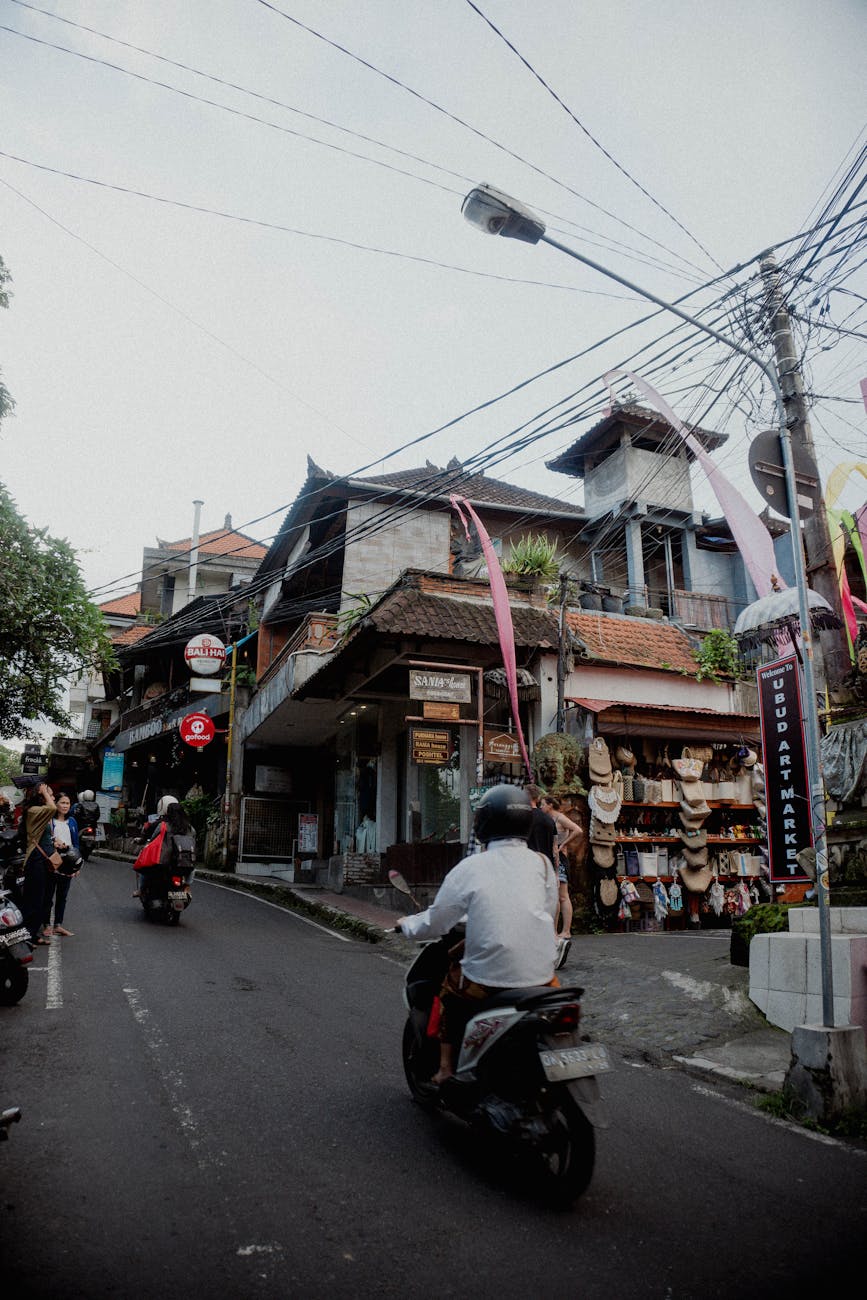
As we approach the end of March, Bali’s low season is coming to a close. The period from January to March is typically humid and rainy, which means fewer crowds—most travelers prefer Bali for its perfect sunny weather and ideal diving conditions.
A few weeks ago, I met some friends in Seminyak, and I was surprised by how much quieter it felt. Expecting the usual congestion, I opted for a motorbike taxi (GoJek) to navigate through traffic, but to my surprise, my driver cruised smoothly without much delay. It wasn’t just the roads; cafes and restaurants also seemed noticeably less crowded. However, one place remained as packed as ever—Jalan Raya Canggu. The stretch is always teeming with tourists, expats, and locals commuting for work, alongside trucks hauling construction materials for yet another wave of villa developments.
READ ALSO:
Family Life in Bali Indonesia: Work, Leisure, and Hire Nanny Bali
Liburan Keluarga ke Eropa: Pro & Cons Traveling Bawa Bayi
What’s particularly surprising is how empty Bali looks this March. Around the same time last year, tourists had already started returning in significant numbers. Even with Ramadan nearing its end, the usual surge of visitors has yet to materialize. But who knows? They might arrive later during the long Eid Mubarak holiday, at least for domestic tourism.

For those working in hospitality, the low season may not be ideal. But for my family and me, as Bali residents, it’s a relief. We live in a quieter area, but over the past two years, more expats have moved westward, bringing an increase in new businesses, villa constructions, and inevitably, more traffic. The roads leading to Pererenan are perpetually jammed, and Jalan Raya Canggu sees daily gridlocks—until recently. Lately, I’ve found myself getting to Umalas and Kerobokan much faster, something almost unheard of in Bali.
Despite the never-ending traffic challenges in South Bali, I truly love living here. It took me two years to fully settle in and see Bali as home, but now, I can’t imagine being anywhere else. I love Bali for its international community and its blend of Western culture and lifestyle. In many ways, living here feels like stepping back into Indonesia of the ’90s and early 2000s—when the country was more secular, before the tide of religious conservatism led many to adopt more traditional attire. This is where my daughter will grow up, build friendships, and study at one of the many prestigious international schools.
I often praise Bali’s breathtaking nature, diverse entertainment options, and endless selection of international cuisine in my writing. However, living here permanently as a resident is a completely different experience from visiting for a two-week holiday—or even staying for a few years as a digital nomad. There are aspects of life in Bali that rarely make it into travel blogs or news articles. Some of the things I’ve experienced or heard have surprised me, and at times, even made me frown. Yet, despite its quirks and challenges, Bali remains a wonderful place to live—certainly better than Jakarta in my view—and my love for this island hasn’t changed.
A Lesson Learned from Hiring a Nanny in Bali

My experience with a nanny in Bali was a tough lesson—but hopefully, the first and last bad one. As a mixed Indonesian-French family living here, I offered a decent wage to a part-time nanny who cared for our baby, who was less than a year old. The pay was higher than the full-time nanny salaries in Denpasar and other areas of Bali, which typically range from IDR 1.5 million to 2 million per month.
However, she took advantage of our kindness by demanding a significantly higher wage, justifying it by claiming that another nanny in our neighborhood earned IDR 9 million per month as a part-time nanny for a Russian family. When I checked with my Russian neighbors, I found out this was completely untrue. It was a clear scam attempt—she and her friend assumed we were unaware of the local salary standards and tried to exploit that. On top of this, they harassed one of our staff and spread false gossip. Given her behavior—and the fact that she was often busy with ceremonies and personal matters like attending weddings—we decided to replace her with someone more reliable.
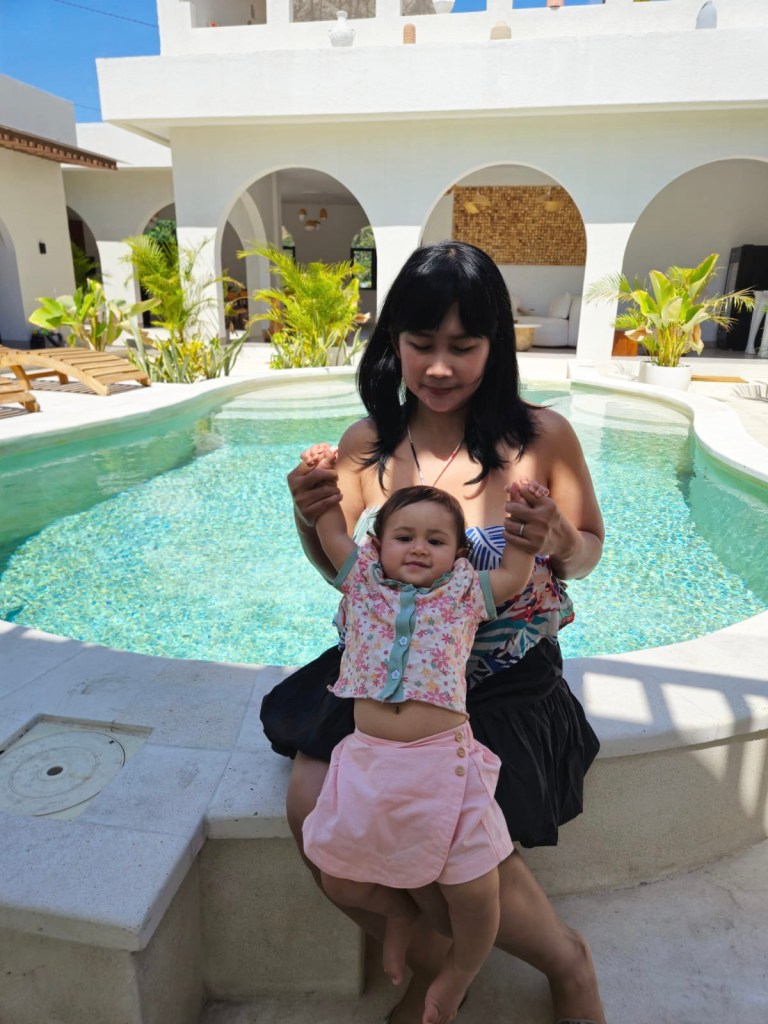
That said, just because this particular nanny (and her friend) tried to scam us doesn’t mean all nannies in Bali are the same. I’ve hired both Balinese and non-Balinese workers, and most of them have been honest, hardworking people supporting their families. Balinese women, in particular, are known for being soft-spoken, polite, and diligent. However, there are individuals who try to take advantage of expats or mixed-nationality families, so it’s important to stay cautious. Always verify claims by checking with friends or researching online.
As an Indonesian living in my own country, I refuse to be fooled by the same tricks they use on foreigners. For those looking to improve their financial situation by working for expat families, the right way is to seek opportunities with tourists, hotels, or Western families—through honest work, not deception.
Another Scam Attempt: A Real Estate Agent in Bali
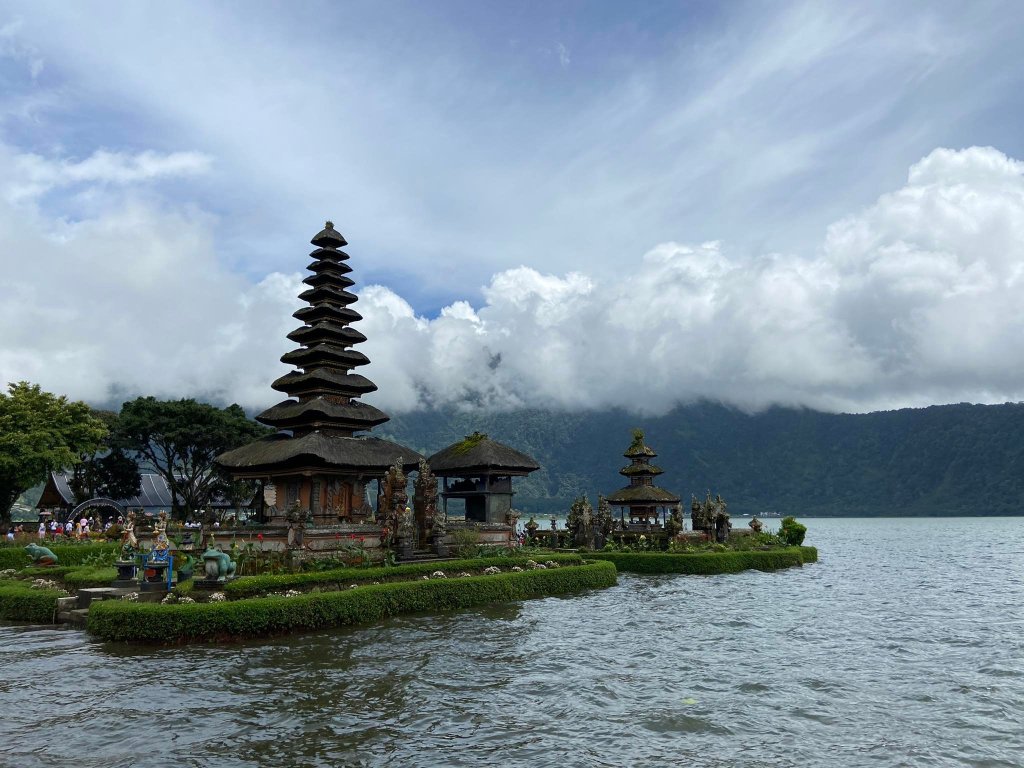
Another scam attempt I recently encountered in Bali came from a real estate agent. Long story short, we met with him to discuss a property deal. However, instead of speaking to both of us, he pretended not to understand English at all—forcing me to act as a translator for my husband (which I absolutely hate doing).
As the conversation went on, I realized he wasn’t being honest about other things either. That was enough of a red flag for me, so I decided to end the negotiation the next day. Honestly, it’s ridiculous for a real estate agent—who primarily sells to foreigners—to claim he doesn’t speak English. Almost everyone in Bali speaks at least basic English, especially those working in tourism or with expat clients. My guess? He was hoping to gain some kind of advantage by pretending not to understand.
Blame and Prejudice in Everyday Life
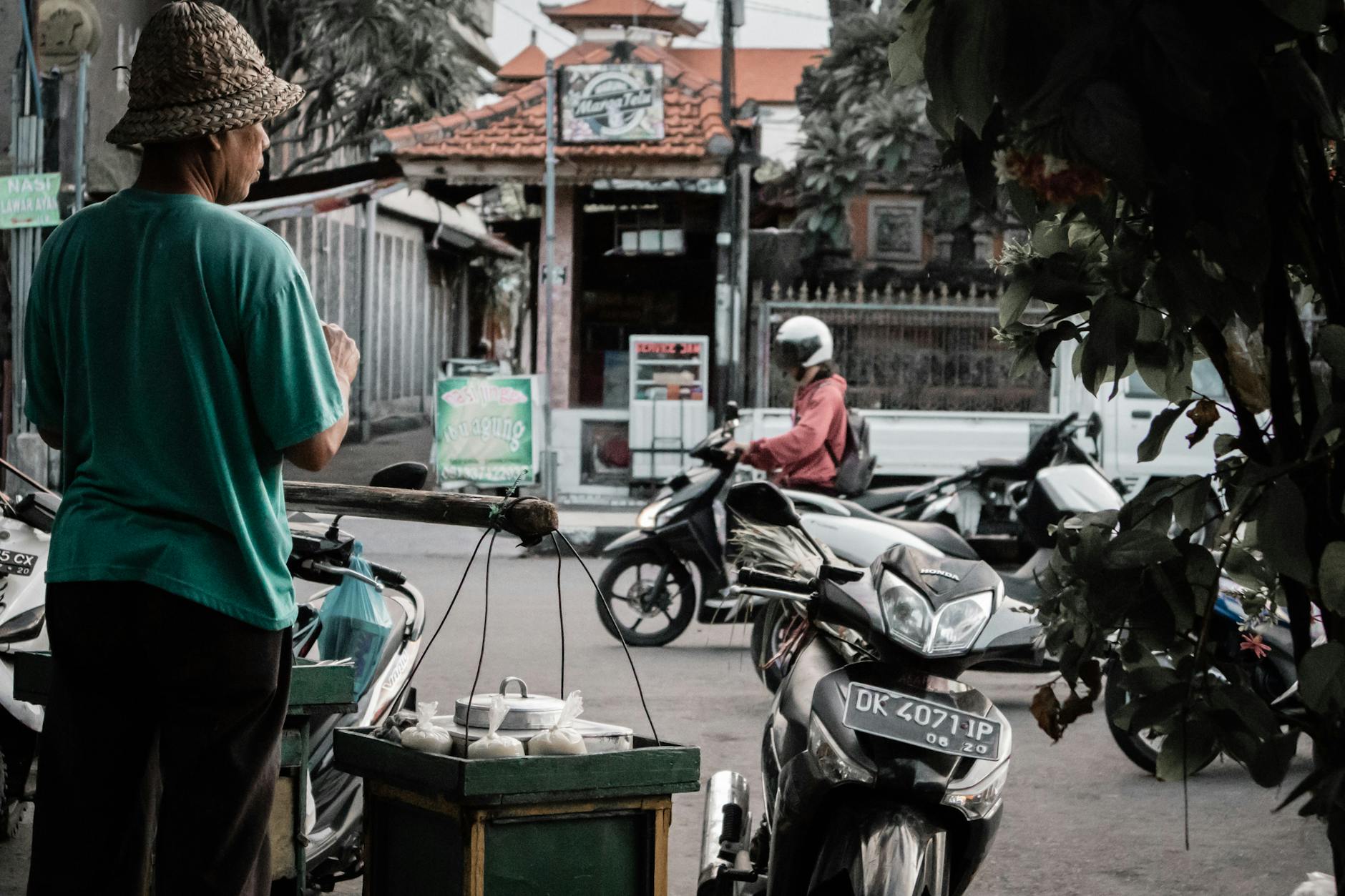
Tourism has been the main drive of Bali economic boosts for long, hence, a lot of Indonesian from many region come to find work, open business, and eventually settle in. While Bali is often said to have an international culture, it is still a big village. What I mean is, I’ve been hearing people stereotyping one ethnic group to another ethnic groups whenever an issue raised or a problem accurred. Indonesian people consists of hundread ethnic groups, with Javanese being the majority. While the main identity is Indonesian, but in reality, people often identified themselves by their respective ethnic group first. It does not always mean good. When something happens, a crime for instance, peole will quickly blame and put label on certain ethnic groups, or when there is a public disturbance, fingers will be pointing to another group. It’s totally different with where I live before, Jakarta, where your groups aren’t being associated with your doing. Everyone responsible for their own acts.
Yet, despite its flaws, Bali remains a special place—one that my family and I call home. Like anywhere else, it’s not perfect, but it offers a unique way of life that continues to evolve with each passing year.”
Curious about my adventures in Europe and America ?. You can click the following links to see my traveling videos that have aired on Net TV :
- Desa Hallstatt, Desa dengan Arsitektur Klasik di Pinggir Danau
- Imutnya Park Guell, Dunia Fantasi Ala Gaudi di Barcelona
- Ada Turki Mini di Bosnia Herzegovina
- Nyobain Makanan Khas Bosnia, Kaya Rasa dan Pasti Halal
- The Bean, Seni Kontemporer yang Ada di Film – film Hollywood
Want to help support my travel? Help me to visit 50 more countries and write more travel stories & guides by donating here
Watch my adventures & subscribe to my YouTube channel: The Island Girl Adventures
 The Island Girl Adventures
Hopefully you will enjoy the next trip again 🙏🏻
LikeLike
I am enjoying home right now..but sure, will go on a trip again
LikeLike
Pingback: Thoughts on Raising a Mixed-Culture Child – The Island Girl Adventures