


Time flies fast. It feels like just yesterday I was a free-spirited girl, thirsty for adventures and eager to learn about the world. In the blink of an eye, I now have a wonderful family and a beautiful, mixed-cultured daughter to raise.
I’ve always been a critical person—especially when it comes to the culture and religion I grew up with. There are many things I’ve found outdated, misplaced, and frankly, not in line with how I see the world. I never really felt like I fit into the culture or the society I was born into, and that ultimately influenced my decision to find a life partner from a more progressive background.
READ ALSO:
Bali’s Low Season: A Rare and Welcome Breather
Family Life in Bali Indonesia: Work, Leisure, and Hire Nanny Bali
To be honest, I wasn’t too thrilled about the idea of making Bali our permanent home at first. But after spending a few years here, I’ve grown to like it—and now, I can say I genuinely love the slower pace of life we have. Bali, a small island home to about four million people—including Balinese, Indonesians from other regions, and foreigners—is more than just a holiday destination, a digital nomad hub, or a tropical paradise. For me, it’s one of the few places in Indonesia where people tend to be more open-minded, where the culture feels more balanced and somewhat westernized—especially in the South. The influx of tourists and long-term foreign residents has undeniably shaped certain areas to be more progressive and inclusive.
Indonesia was once a more secular nation, particularly before the early 2000s. But over the past two decades, the country has grown increasingly conservative. Dress codes have changed. Lifestyles have shifted. And with that, the country’s social, cultural, and political landscape changed. I’ve witnessed how people have become deeply immersed in religious rituals, often accompanied by growing intolerance, a lack of critical thinking, and minimal appreciation for individuality. It feels like the country is moving in the opposite direction of progress—and it’s certainly not the kind of environment I want to spend the rest of my life in, or raise my daughter in.
That’s why, for now, Bali feels like the right place to be, reminiscent of Indonesia as it was in its secular days.

But how will she grow up? She’ll be raised with both Indonesian and French cultures, while also carrying Javanese values and identity—something I take great pride in (I am a Javanese with a little bit of Chinese heritage). One of the advantages of living in Bali is the abundance of international schools, so she won’t have to endure the low-quality education often associated with the Indonesian public system. On top of that, I plan to give her a religious education—certainly without the rigid, traditional interpretations that are widely practiced today.

Aside from religious issue, one thing concerning me is the patriarchy deeply ingrained in Indonesia culture. It varied between regions and ethnicity (Indonesia is a multi-cultural country), but generally Indonesia has always been patriarchy. The phrase such as “a man is the leader of a family” , “submissive to the husband” is widely found in daily conversations, both verbally spoken or in social media. Added with traditional interpretations of religious, societal pressure, and an absence of a culture that encourages education, critique, and free expression, has been put woman at the weakest position in society, at least that’s how I see it.
Indonesian women have long faced various forms of social pressure, and those pressures have evolved with time. In modern society, women are now expected to contribute financially by working, as many husbands feel the burden of supporting a household is too heavy to carry alone. Yet, at the same time, women are still expected to shoulder the traditional responsibilities of raising children, managing the household, and ultimately serving their husbands.
Many women wouldn’t mind sharing the financial responsibilities—after all, today’s women build their own careers, and many earn as much as, if not more than, men. The real problem lies in the fact that women are expected to fulfill all of these roles, while men often stick to their traditional role of simply working. It’s common to hear wives complain that their husbands rarely take part in housework or in raising their children.
This imbalance becomes even more pronounced when coupled with the expectation that women must remain obedient and submissive to their husbands. Such dynamics leave women in an extremely vulnerable position. Indonesian men, by and large, are still far from embracing the idea of equality. Many continue to see themselves as the unquestioned leaders of the family—entitled to absolute authority and control—regardless of how little they contribute beyond their paycheck.
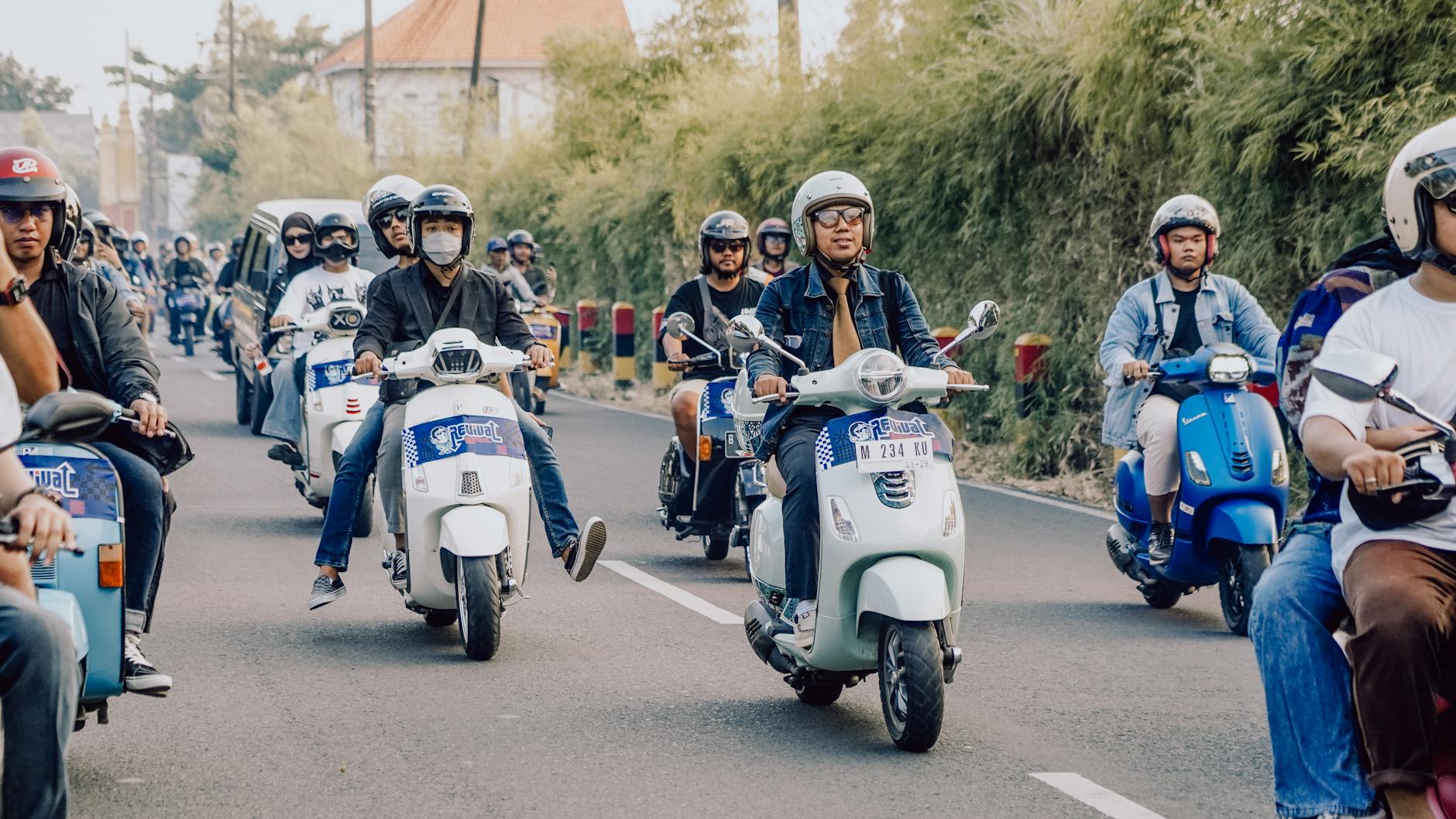
Patriarchy in Indonesia has taken on an even more absurd form these days. I’ve noticed that even among unmarried couples—those still just dating—girlfriends are often expected to follow, obey, and be subservient to their partners. From asking for permission just to hang out, to boyfriends dictating how they dress, and even interfering with career or job choices to suit their own interests, the control can be astonishing.
Why don’t these women object or stand up for themselves? One common excuse often heard from Indonesian men is that, according to religion (Islam), wives are obliged to be obedient to their husbands. And while they’re not married yet, women are still encouraged to “practice” this obedience in advance—as if submission were a skill to be perfected before marriage. It’s no surprise that when they enter marriage, they will be asked to leave the job in order to take care of the children and the house, at the worst case, it would leave women financially vulnerable since they fully depends on their life to husband. On top of that, the social pressure often comes from the involvement of in laws. In Indonesian culture, when someone is marrying another person, he/she is also marrying the partner’s family. A lot of married couple still live with their parent in laws, hence why their relationship could often be interfered by the in laws and causing conflicts.
Since moving to Bali, I’ve heard countless stories about the lives of Balinese women and their place in society. From online discussions to casual chats with acquaintances and strangers at tourist spots, Balinese women have openly shared with me the heavy burdens they carry due to societal expectations and customs.
They’re often praised as hardworking women—but the reality is, they work hard because they have no choice. They shoulder not only household duties and cultural obligations, but also financial responsibilities, while men enjoy privileges granted simply by gender.
I remember visiting a hair salon in Gianyar, where the hairstylist told me about life for a Balinese woman after marriage. Because women are not entitled to any inheritance, their lives are often entirely dependent on the generosity of their husbands. If problems arise, they cannot turn to their birth families for help—even if those families have the means—because the family wealth is reserved for sons. A friend of mine, who runs much of her family business, told me she will inherit nothing—everything will go to her younger brother despite his little contribution. Determined not to share the same fate, she chose to be with someone from another culture.
Outside Bali, the situation isn’t any better. Some men cherry-pick verses from the Quran to serve their own interests. For example, they claim that Islam allows a man to have up to four wives—while other interpretations argue the opposite. But since most people don’t bother to read more deeply and simply go along with the tide, the first interpretation has become widely accepted. In the wrong hands, it turns into a weapon used to pressure women into accepting their husbands’ wishes.
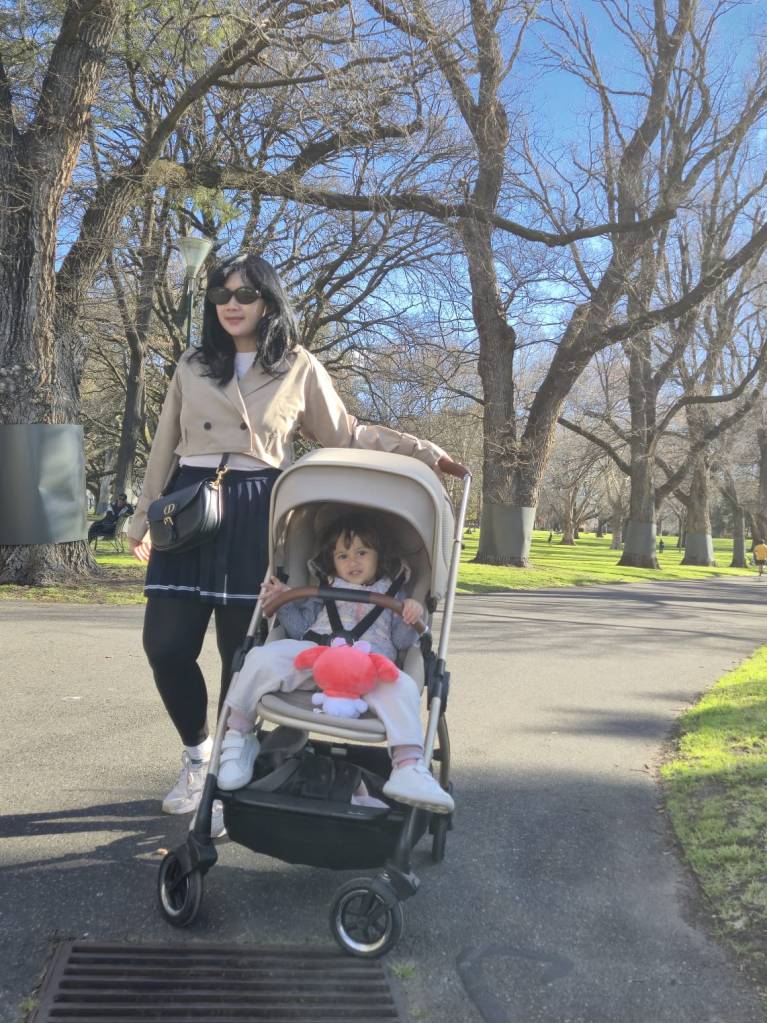
So, why am I ranting here while living a content and happy life? Because it took me a long time to truly see how unfair society can be toward women compared to men. I’ve spent years learning how to navigate around these cultural traps, blocking out the noise of society—and men—constantly dictating what a woman should do and how a woman should be. What I want most is for my daughter to grow up free from those limitations, without having to endure the same struggles. I want her to know that she’s equal to men. She cannot be shaped or subdued by society and culture to fulfill the expectations of Indonesian traditions and MEN. Her worth is not defined by gender, obedience or sacrifice, but by her voice, her choices, and the life she dares to create for herself.
If you are reading this and now thinking that I am just another Indonesian woman with a foreigner husband speak bad about Indonesian men, let me tell you something. My view is based on personal experience and years of observation toward marriage life and couple relationship in Indonesia. Sure, there are a few good husband and father out there, I’ve heard and seen it myself but that’s a minority. It does make sense if Indonesia is deemed the third most ‘fatherless’ country in the world, physically and psychologically. It’s a painful truth, but one that I hope will push us toward reflection, change, and a better future for our daughters.
Curious about my adventures in Europe and America ?. You can click the following links to see my traveling videos that have aired on Net TV :
- Desa Hallstatt, Desa dengan Arsitektur Klasik di Pinggir Danau
- Imutnya Park Guell, Dunia Fantasi Ala Gaudi di Barcelona
- Ada Turki Mini di Bosnia Herzegovina
- Nyobain Makanan Khas Bosnia, Kaya Rasa dan Pasti Halal
- The Bean, Seni Kontemporer yang Ada di Film – film Hollywood
Want to help support my travel? Help me to visit 50 more countries and write more travel stories & guides by donating here
Watch my adventures & subscribe to my YouTube channel: The Island Girl Adventures
 The Island Girl Adventures
Born into a Javanese/Balinese family, I hear firsthand stories of how cruel Balinese culture can be when it comes to women. They don’t get any inheritance and when they’re married, they ‘leave’ their family and become the responsibility of the men’s family. If the new family ends up being dysfunctional, well, good luck with that. This is a world different from the Javanese side of my family, who prioritizes women in terms of education and inheritance, so that they become more empowered just in case the men mistreat them. Because we all know women have weaker position in this patriarchal society.
LikeLike
When a women has nothing to offer, she will be vulnerable to abuse by her husband. When the culture isn’t on our side, it’s up to us to living in oppressive culture or take action to change or create our new culture to protect ourselves and our daughters. I find it disgusting how society (men mostly) put themselves above us, just because they were born with a penis. Women do as much if not more than them hence we deserve an equal position. look at most of Indo men, they’re so lazy yet very dominating. Yes, I look down on them.
LikeLike